Trial and Execution of Milady
The trial and execution of Milady de Winter is the culminating act of private justice in the novel, a nocturnal, quasi-legal proceeding in which the four friends, joined by Lord de Winter and the Executioner of Lille, confront the woman who has poisoned Constance Bonacieux, orchestrated the assassination of the Duke of Buckingham, and committed a string of earlier murders and betrayals. The scene moves from a small isolated house on the banks of the Lys to the river itself, where the executioner beheads Milady and sinks her body in the water, an act that simultaneously closes the novel's central vendetta and releases the surviving characters from her shadow.
The Gathering of Accusers
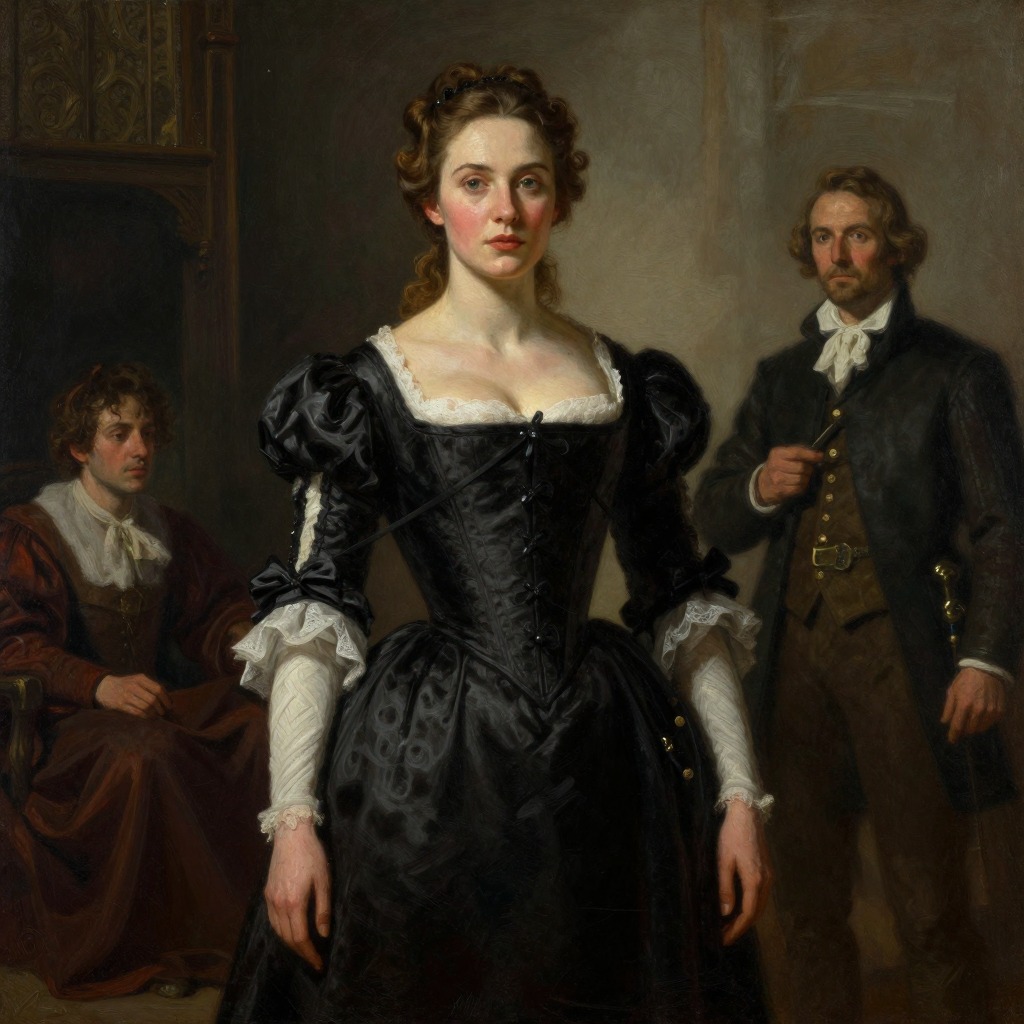
On a stormy night, the six men—Athos, d'Artagnan, Porthos, Aramis, Lord de Winter, and the masked Executioner of Lille—ride through the darkness toward Armentieres, guided by Grimaud's silent signals. They find Milady alone in a cottage near the river, a single lamp burning. Athos breaks the window and enters; d'Artagnan blocks the door. Milady, recognizing her hunters, sinks into a chair, her hands extended as if to ward off the apparition. Lord de Winter names her as Charlotte Backson, formerly Comtesse de la Fere and later Milady de Winter, Baroness of Sheffield. Athos declares that she will be tried, not assassinated, and that she is free to defend herself.
The Four Accusations
D'Artagnan speaks first, accusing Milady of poisoning Constance Bonacieux the previous evening, of attempting to poison him with wine sent from Villeroy under a forged letter (a death that instead killed Brisemont), and of urging him to murder the Comte de Wardes. Porthos and Aramis bear witness to the first two charges. Lord de Winter then accuses her of causing the assassination of the Duke of Buckingham—she corrupted his guard Felton, placed the poniard in his hand, and made him kill the duke—and of poisoning his brother, her own husband, who died in three hours with livid traces over his body. He demands justice, swearing to execute it himself if it is not granted.
Athos's Revelation and the Executioner's Testimony
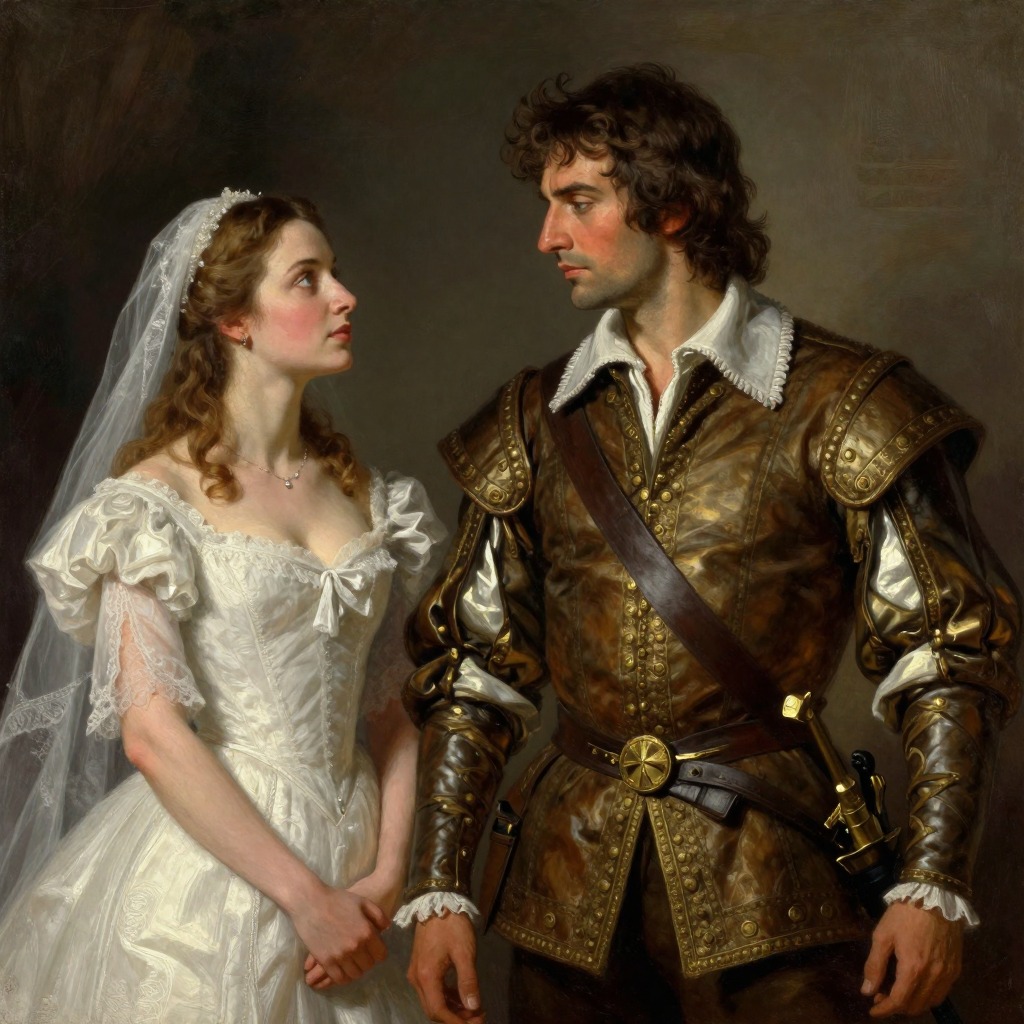
Athos steps forward and reveals that he married Milady when she was a young girl, giving her his wealth and name, only to discover that she was branded with a fleur-de-lis on her left shoulder. Milady challenges him to produce the tribunal that pronounced that sentence or the man who executed it. The man in the red cloak then unmasks himself: he is the Executioner of Lille. He tells his history: Milady, as a nun, seduced a young priest (his brother), who stole sacred vessels to fund their flight; both were arrested; the priest was branded and imprisoned; the executioner, bound by family honor, tracked Milady down and branded her in turn. His brother later escaped, rejoined Milady, and eventually hanged himself in prison. The executioner was imprisoned in his brother's place until the brother's death was confirmed. He concludes: "That is the crime of which I accuse her; that is the cause for which she was branded."
The Sentence and the Execution
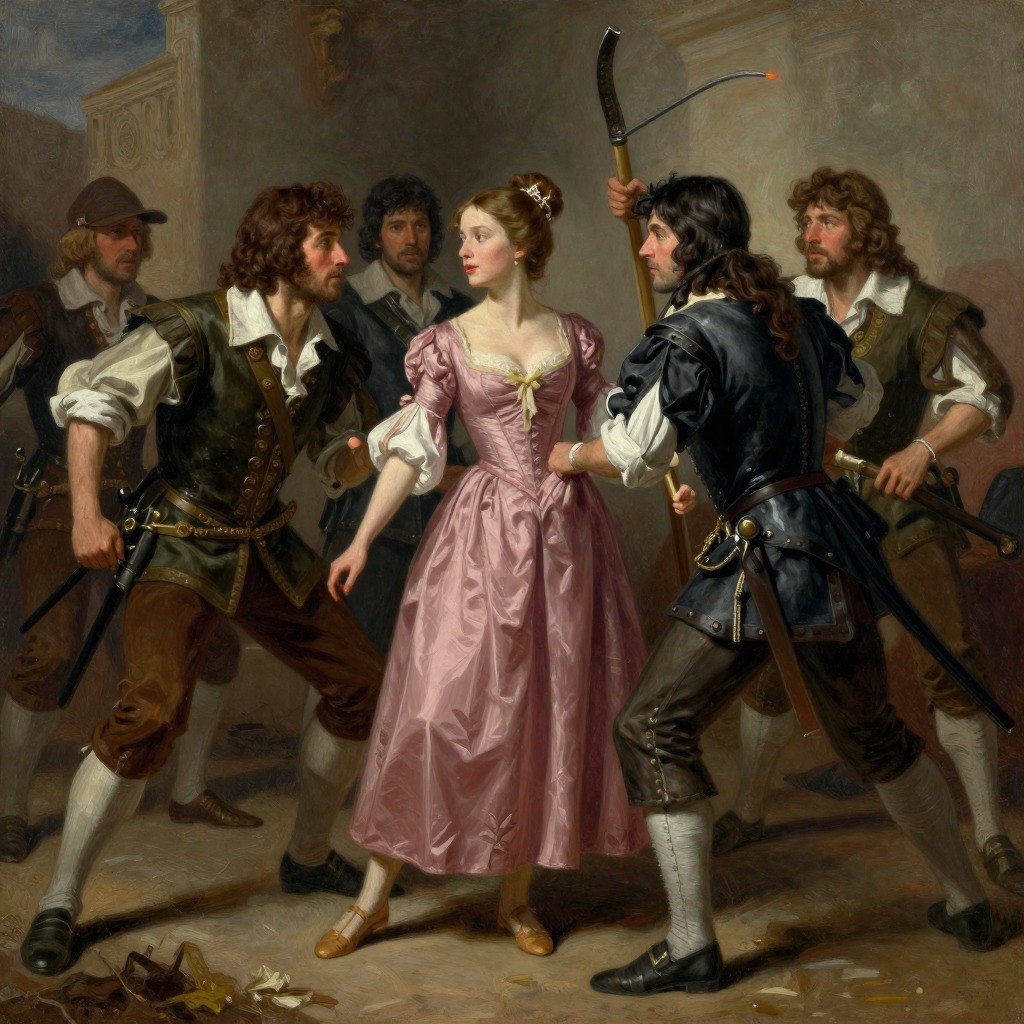
Athos asks each accuser what penalty they demand. D'Artagnan, Lord de Winter, Porthos, and Aramis each reply: "The punishment of death." Athos pronounces sentence: "Charlotte Backson, Comtesse de la Fere, Milady de Winter, your crimes have wearied men on earth and God in heaven. If you know a prayer, say it—for you are condemned, and you shall die." Milady shrieks and drags herself on her knees toward her judges, but Athos's hand stops her. The executioner binds her hands and feet. She offers a thousand pistoles to the lackeys to help her escape, but Athos replaces them with Planchet and Bazin. On the riverbank, the executioner places her in a boat and rows to the opposite shore. Milady unties her feet and tries to flee, but slips on the moist bank and falls to her knees. The executioner raises his sword; a moonbeam falls on the blade; the two arms fall; the hissing of the scimitar and the cry of the victim are heard, then a truncated mass sinks beneath the blow. The executioner wraps the body and head in his red cloak, rows to the middle of the stream, suspends the burden over the water, and cries, "Let the justice of God be done!" He drops the corpse into the depths, and the waters close over it.
Aftermath and Significance
The execution is the final, irreversible defeat of Milady, the demonic antagonist who has haunted the four friends since the novel's opening. It is an act of private, extralegal justice that the cardinal, when informed, tacitly accepts—he tears up the safe-conduct he had given her and instead promotes d'Artagnan to lieutenant of the Musketeers. The scene resolves the central vendetta: d'Artagnan's love for Constance is avenged, Athos's long-buried marriage and its horrors are finally closed, and the threat that Milady posed to the queen and to Buckingham is eliminated. The execution also completes the arc of the Executioner of Lille, who fulfills his oath to punish the woman who destroyed his brother. The novel's epilogue notes that d'Artagnan later fought Rochefort three times and wounded him each time, but the two men eventually reconciled—a sign that the cycle of vengeance, so starkly concluded on the Lys, gives way to a more settled order.